She was a suffocating cloud, a constant, heavy presence I spent my entire adult life trying to escape. Every choice I made, every path I considered, met with her disapproval.”You’re too impulsive,” she’d say when I decided on a major. “He’s not good enough for you,” when I brought home a partner. “You’re wasting your potential,” when I started a creative pursuit instead of a corporate ladder climb. It wasn’t advice; it was judgment. It felt like a condemnation of my very being.I just wanted to be free.So, I built walls. Tall ones. Thick ones. I stopped answering her calls immediately.
I let voicemails pile up, listened to them only when I felt strong enough to absorb the subtle digs disguised as concern. Visits became rare, strained affairs, punctuated by long silences and my tightly clenched jaw. I’d leave feeling drained, angry, and profoundly misunderstood.
“I need space,” I’d tell myself. “I deserve a life where I’m not constantly scrutinized.” I convinced myself that this distance was an act of self-preservation, a necessary cut to remove a toxic limb. It wasn’t easy, but it was for my own good. I saw her pain in her eyes sometimes, a flicker of something like hurt, but I quickly rationalized it away. She brought it on herself with her endless negativity.
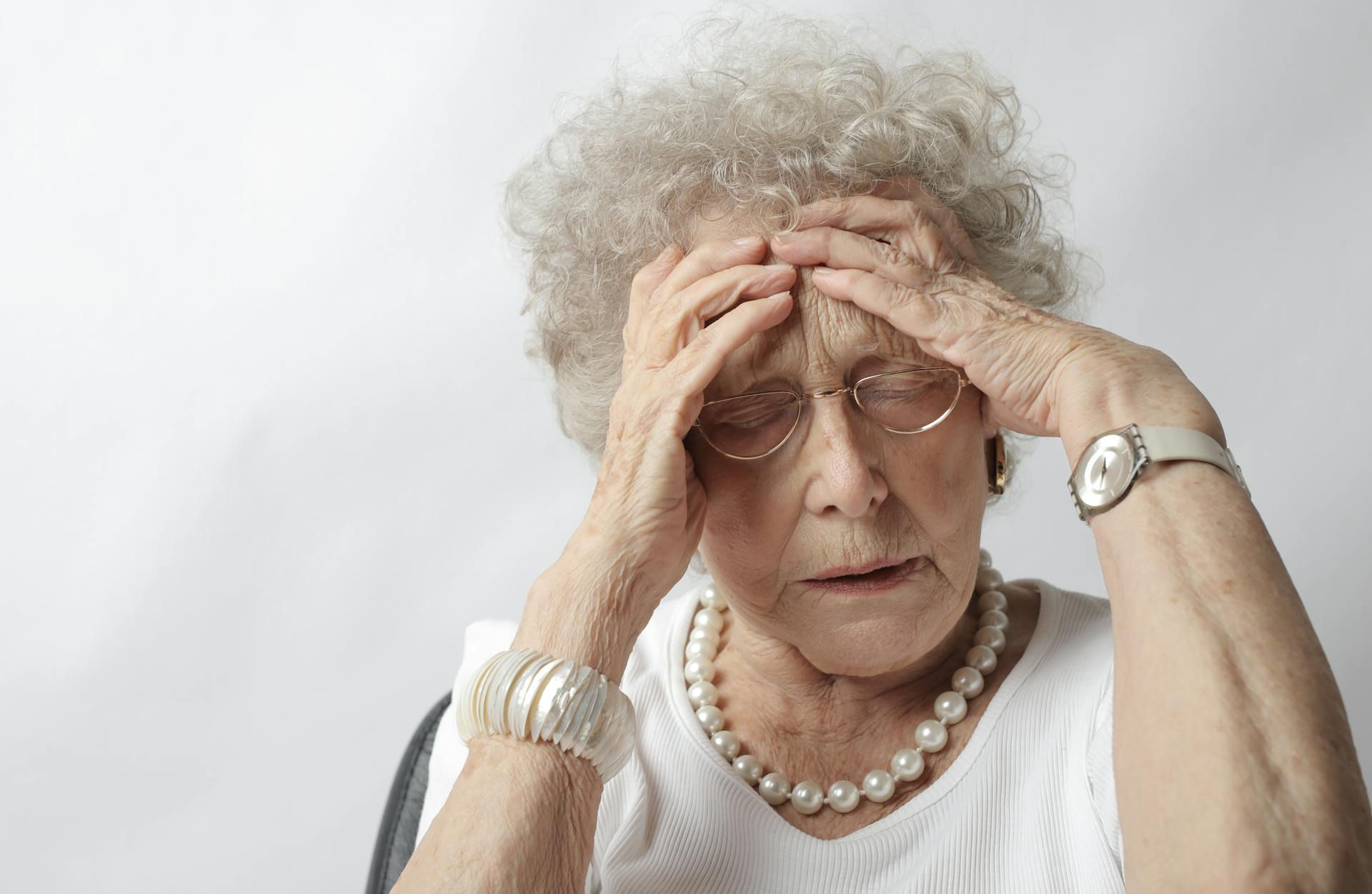
A distressed elderly lady holding her head | Source: Pexels
The calls became less frequent. Her voice on the machine grew quieter, tinged with a weariness I chose to ignore. I got busy. Too busy for her unsolicited advice, too busy for her heavy silences. Years turned into a decade. A decade of polite avoidance, of missed holidays, of a chasm that grew wider with every passing day. I didn’t see it as rejection then. I saw it as boundaries. I was wrong.
The call came on a Tuesday. Not from her, but from a distant relative I barely knew. She was sick. Very sick. And fast. My stomach dropped. Panic? Guilt? Relief? I couldn’t tell.
I flew immediately, but it was too late. She was gone by the time I arrived. The hospital room was cold, sterile, and eerily quiet. Her absence was a physical blow. The last time I’d seen her was nearly two years prior, a quick, awkward lunch where she’d criticized my hair. I remembered feeling a familiar surge of resentment then. Now, all I felt was a crushing, unbearable ache.
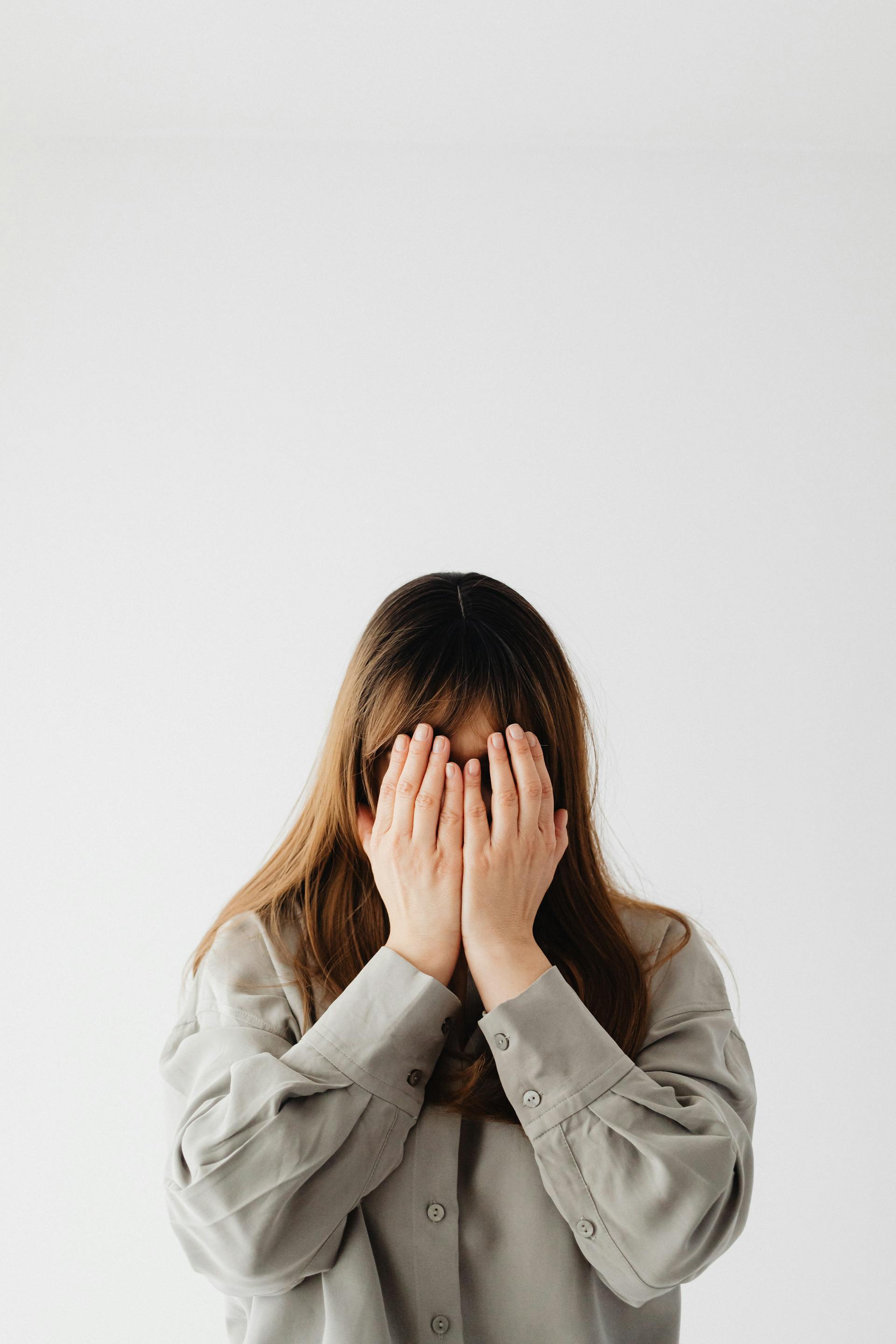
A woman covering her face with her hands | Source: Pexels
The funeral was a blur of polite condolences and averted gazes. I felt like a stranger, an imposter. People spoke of her kindness, her quiet strength, her generosity. Was this the same woman I knew? I stood there, numb, clutching the hand of the relative who had called me, feeling the weight of all the words left unsaid, all the apologies I would never make.
A week later, at the reading of her will, it was quick. Modest assets, a few sentimental items to various family members. Then, the lawyer looked at me. “And for you, there’s this.”
He handed me a small, heavy wooden box. It was old, intricately carved, and smelled faintly of cedar and something else – her perfume, maybe? My hands trembled as I took it. It wasn’t locked, just closed with a simple clasp. I carried it home, the weight of it feeling like a burden, a final judgment.
I waited until I was alone, the silence of my apartment amplifying the thumping of my heart. I sat on the floor, the box resting on my lap. Taking a deep breath, I unlatped it.

A doctor | Source: Pexels
Inside, nestled on a bed of faded velvet, was a single, thick envelope. And beneath it, a small, worn photograph. It was a picture of me, as a baby, laughing, held aloft by a man whose face was cropped out. Just my tiny, joyful face.
I pulled out the envelope. It was sealed with a wax stamp, her initial embossed within it. My name was scrawled on the front in her familiar, elegant handwriting.
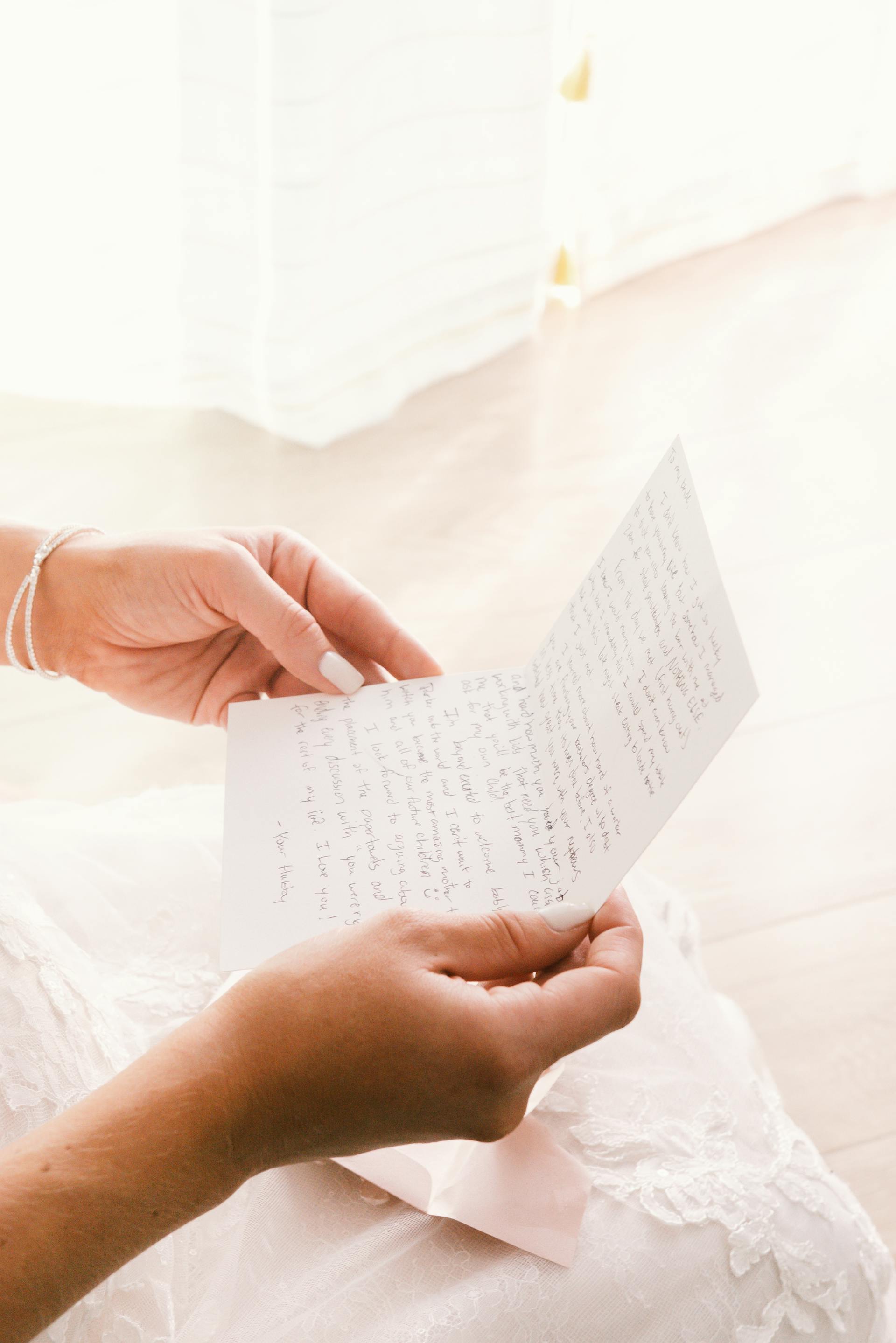
My fingers fumbled as I broke the seal. Inside, two items: a letter, and another, smaller envelope.
I opened her letter first.
My Dearest Child,
If you are reading this, I am gone. And I am so, so sorry. I know I was not the mother you wanted. I know I was critical, overbearing, always pushing you away, always trying to steer you towards paths you didn’t want. Every harsh word, every frustrated sigh, every boundary I tried to set was a silent scream of fear.
A woman looking straight ahead | Source: Midjourney
I loved you more than life itself. And because I loved you, I made a choice. A terrible, necessary choice.
My eyes blurred. Tears streamed down my face, hot and fast. What was she talking about?
I needed to protect you. From him. From his world. I couldn’t tell you the truth, because the truth was dangerous. The truth would have put you in harm’s way, or tied you to a lineage that would have broken you. So I built a wall around you, brick by brick, with my own judgment and my own pain. I knew you would resent me. I knew you would push me away. And a part of me, the selfish part, prayed you would hate me enough to make it easier for you when I was gone.
My constant criticism of your relationships? I saw the signs, the echoes of patterns I knew intimately. My insistence on a stable career? I knew what it meant to live on the edge, to be beholden to others. Every single “no” was an attempt to save you from a different kind of darkness. A darkness I couldn’t name, a secret I carried every single day.
A man standing outside his house | Source: Midjourney
I was sobbing now, my chest heaving. SHE WAS PROTECTING ME. All this time, I thought she was tearing me down, and she was actually shielding me from something unfathomable. But what? From whom?
I tore open the smaller envelope. Inside were documents. Birth certificates. And a single, official-looking document with bold headings.
PATERNITY TEST RESULTS.
My hands were shaking so violently I could barely hold the paper. I scanned the lines, my eyes darting, trying to make sense of the medical jargon, the percentages, the names.
And then I saw it.
“Subject 1 (My Name) … does not share a biological paternal relationship with Subject 2 (The man I called ‘Father’).”
A close-up shot of a man’s eyes | Source: Unsplash
THE MAN I KNEW AS MY FATHER… HE WASN’T MY FATHER.
A cold, sickening dread washed over me. I gasped, the air catching in my throat. No. This isn’t real. This was a mistake. A cruel joke.
I scrambled, flipping to the next page of the documents. And there it was. A third name. My biological father. And next to his name, a small, almost unnoticeable footnote. A news clipping. An old newspaper article, yellowed with age, detailing a crime. A terrible, brutal crime committed decades ago. He was a monster. A convicted murderer.
MY BIOLOGICAL FATHER WAS A KILLER.
My mother hadn’t been criticizing my choices, my instincts, my partners. She hadn’t been judging me. She had been terrified. Terrified that I would inherit his darkness, or stumble into his world, or attract people like him. Every single “bad choice” she saw in me, every trait she deemed “reckless,” she must have seen as a terrifying echo of a past she’d fought desperately to escape.
A close-up shot of a woman’s face | Source: Midjourney
She didn’t push me away because she disliked me. She pushed me away to save me. She took on my hatred, my resentment, my distance, and swallowed it all, silently, for my entire life, just to keep me safe from a truth I never knew existed.
My rejection wasn’t just a simple boundary. It was an ultimate betrayal of the one person who truly, unequivocally, sacrificed everything for me. My mother didn’t live under a cloud; she was the cloud, the storm front, protecting me from a devastating meteor strike. And I hated her for it. I pushed her away. I let her die alone, believing I despised her.
The tears now are for her. For the years of silent anguish she endured. For the unimaginable burden she carried. For the unforgivable mistake I made. For the woman who loved me so fiercely she broke her own heart to shield mine.
And I can never tell her I understand. I can never apologize.
I rejected my mom for years. Her last gift broke my heart. And now, my heart will never mend.
