My earliest memories are split into two distinct visions, two worlds existing under the same roof. Mine was a cramped, north-facing room, perpetually cold, painted a faded, sickly yellow that no amount of sunlight – which rarely graced my window – could revive. The furniture was a collection of rejects: a chipped dresser, a bed frame that creaked like an old ship, a desk scrawled with crayon marks that weren’t mine. It was always clear this space was an afterthought, a storage closet repurposed.
The other room, the one just across the hall, was a dream. South-facing, bathed in golden light, it was painted a vibrant, cheerful blue. It was twice the size of mine, filled with brand new furniture: a gleaming white desk, a plush carpet that felt like walking on clouds, shelves overflowing with untouched toys and books. That room wasn’t just bigger; it felt loved. It felt important. It was the room of the favored child.
I never understood why. From as far back as I could remember, it was always like this. Birthday parties for me were small, quiet affairs, a few store-bought cupcakes. For the other child, there were elaborate themed parties, rented bouncy houses, a flurry of friends and laughter that echoed through the entire house. Christmas presents for me were practical, often hand-me-downs subtly disguised. For the other child, there were always shiny, wrapped boxes containing the newest gadgets, the most coveted dolls, the dreams of every kid.
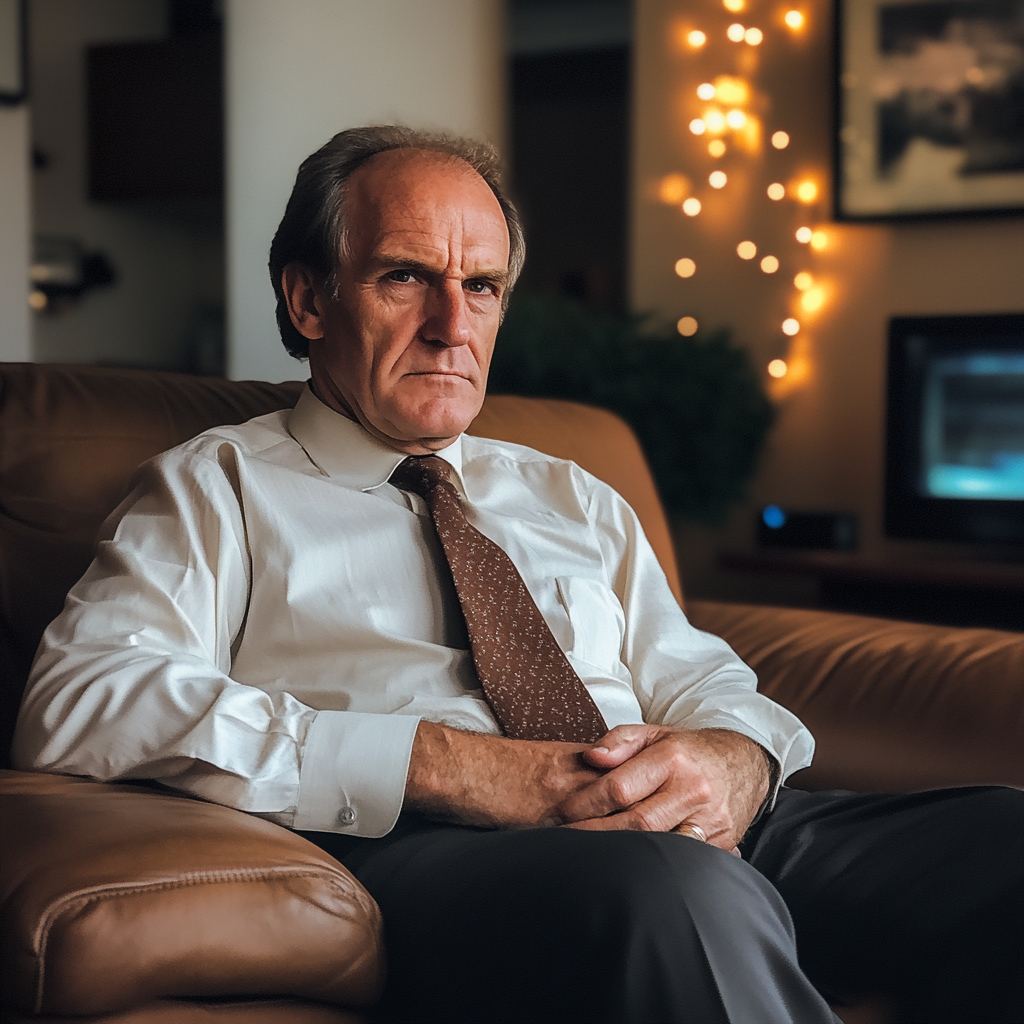
For illustration purposes only. | Source: Midjourney
I tried everything to earn that kind of love, that kind of attention. I brought home perfect report cards, meticulously cleaned my forgotten room, volunteered for chores without being asked. I was quiet, obedient, never causing trouble. I was trying to be invisible and perfect at the same time, a contradiction that tore me apart. My achievements were met with a nod, a brief “good job.” Their achievements, no matter how small, were celebrated with enthusiastic cheers, framed certificates, and stories recounted to every visiting relative.
The silence around my accomplishments was deafening. The cheers for theirs felt like a physical weight, pressing down on my chest until I couldn’t breathe. I learned to anticipate it, to brace myself for the inevitable comparison, the quiet dismissal of my efforts. Was I not enough? Was there something fundamentally wrong with me that made me unworthy of their complete love?
The unequal rooms weren’t just about physical space; they were about emotional real estate. My parents’ eyes, their time, their affection – it all seemed to gravitate towards the other child. I watched, a phantom in my own home, as they shared secrets, whispered jokes, held hands. I longed for just a fraction of that warmth. I’d try to join, to offer a comment, a laugh, but the conversation would often just… stop. Or shift. Like I was an interruption, a discordant note in their perfect symphony.
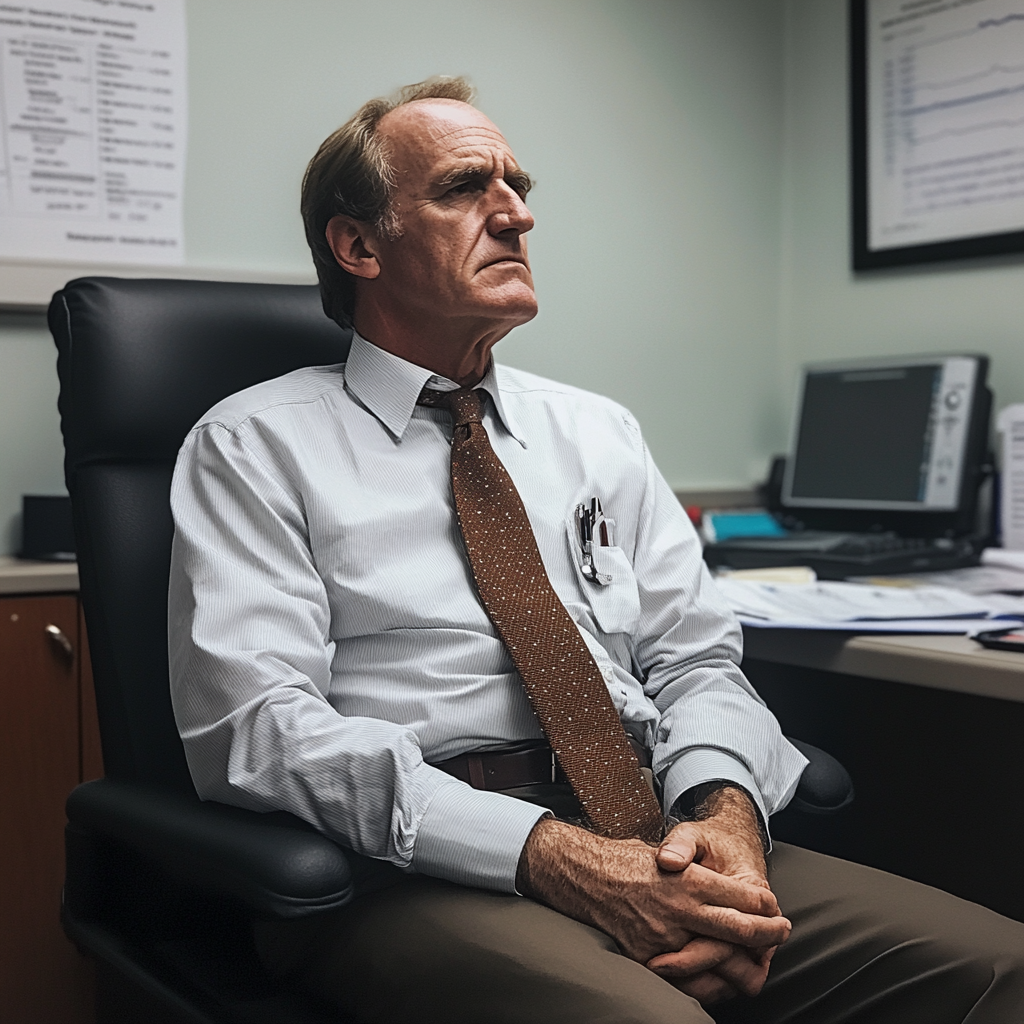
For illustration purposes only. | Source: Midjourney
The resentment simmered, a bitter, constant ache beneath my ribs. It wasn’t hatred for the other child, no. They were just as much a product of this strange, lopsided love as I was. It was a searing, desperate anger directed at my parents, mixed with a profound sorrow for the child I was, yearning for something I could never grasp.
Years passed. The yellow room remained yellow, faded, and cold. The blue room across the hall remained a vibrant testament to favoritism. I grew up with a deep-seated independence born of necessity, of knowing I couldn’t rely on anyone else to truly see me, to truly care for my needs. I built walls, thick and high, around my heart. I focused on my studies, excelled, got into a good university far away. My escape plan.
When I announced my acceptance, my mother offered a polite smile. “That’s wonderful, dear.” My father grunted, immersed in a newspaper. Later that evening, I overheard them talking about the other child’s latest art project, debating which expensive supplies to buy. It was the same song, just a different verse.
That night, something in me snapped. The decades of quiet acceptance, the swallowed tears, the invisible pain – it all coalesced into a burning fury. I walked out of my miserable room, across the hall, and stood in front of theirs. They looked up, startled.

For illustration purposes only. | Source: Midjourney
“I’m leaving,” I said, my voice trembling despite my best efforts to keep it steady. “I’m going to university. Did you even hear me?”
My mother frowned. “Of course, we heard you. We just… we’re very busy right now.”
“Busy?” I scoffed. “You’re always busy. Busy loving them. Busy making sure their life is perfect. But what about me? What about my life?” The words were tumbling out now, raw and uncontrolled. The floodgates were open. “I grew up in that yellow box you called a room, while they had a palace. I wore hand-me-downs while they got everything new. You ignored my achievements, you dismissed my pain! Why? WHY WAS I NEVER ENOUGH FOR YOU?“
My father finally lowered his newspaper, his face pale. My mother looked at me, her eyes wide, a strange mix of sorrow and… something else, something I couldn’t quite decipher. Fear? Shame?

For illustration purposes only. | Source: Midjourney
“You don’t understand,” my mother whispered, her voice barely audible.
“Then make me understand!” I screamed, my voice cracking. “Tell me! Tell me why one child got everything and the other got nothing! Tell me why you never loved me like you loved them!”
My father stood up slowly, walked past me, and stopped at the door of the other room – the blue room. He took a deep, shuddering breath. “You want to understand?” he said, his voice hoarse. “Then look.”
He pushed open the door, not just a crack, but fully. My breath hitched.
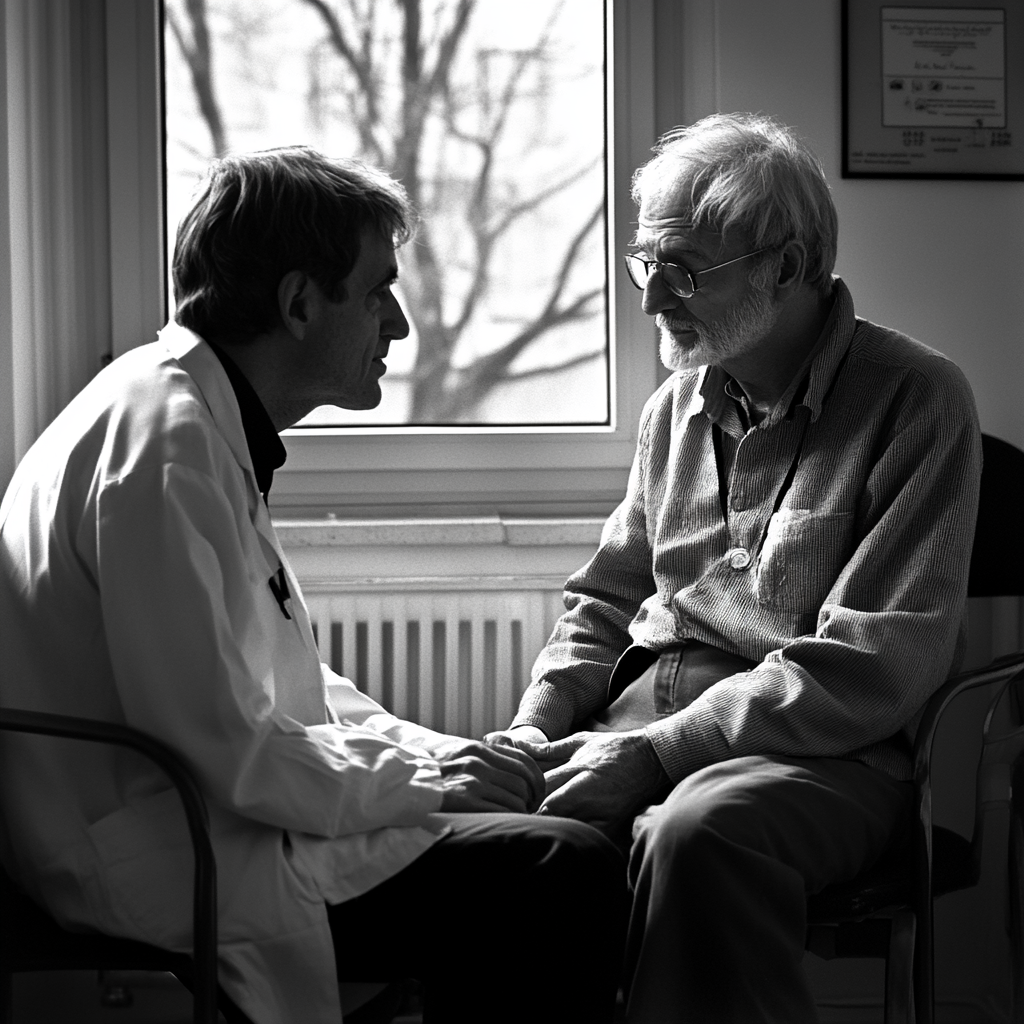
The room was indeed blue, but it wasn’t vibrant. It was sterile, cold, like a hospital room. Instead of a plush carpet, there was linoleum. Instead of shelves of toys, there were medical devices. A bed, yes, but not a normal one. It was a hospital bed, its rails raised. And in it, hooked up to tubes and machines I didn’t recognize, lay the other child.
For illustration purposes only. | Source: Midjourney
They were small, terribly thin, their skin almost translucent. Their eyes were open, unfocused, staring blankly at the ceiling. A faint, rhythmic beep filled the silence, the only sound in that terrible, beautiful blue room.
My mother was crying now, silent tears streaming down her face. “They were born… with a severe neurological condition,” she choked out. “The doctors said… they wouldn’t make it past childhood. We wanted… we wanted to give them everything we could, for as long as we could. A beautiful room. A world where they weren’t just a patient, but a child, loved and cherished, even if… even if they could never know it in the way we wished.”
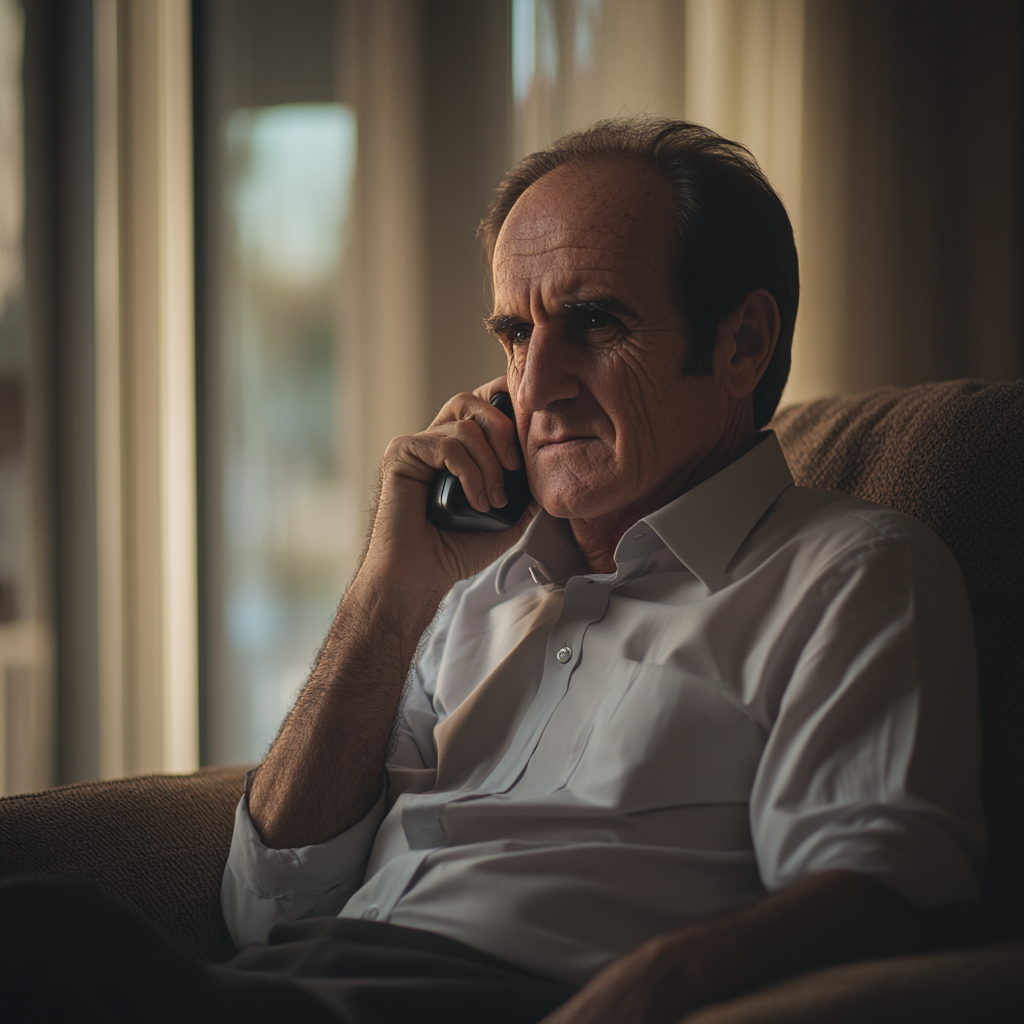
My father put a hand on my shoulder. “We poured every penny, every ounce of our energy into their care. We knew you were strong. We knew you were healthy. We thought… we thought you could handle it. We thought you would understand, eventually, when we could tell you.”
For illustration purposes only. | Source: Midjourney
The world tilted. The yellow room, the blue room. The unequal rooms. It wasn’t favoritism. It wasn’t a choice between who to love more. It was a desperate, heartbreaking sacrifice. My childhood wasn’t defined by being unloved, but by being the healthy one, the one who didn’t need their constant vigil. The one they thought could bear the burden of neglect, because the alternative was unthinkable.
I stumbled back, my mind reeling. The resentment, the anger, the pain of a lifetime of feeling secondary – it all evaporated, replaced by a cold, crushing wave of guilt, of sorrow so profound it threatened to shatter me.
The “palace” wasn’t a palace at all. It was a gilded cage, a hospice, a final, beautiful gesture of love for a child whose life was never meant to be. And I, the healthy one, the strong one, the one who was “loved enough to be left alone,” had demanded my share, ignorant of the silent, agonizing battle being fought just across the hall.

For illustration purposes only. | Source: Midjourney
My tears finally came, not for myself, but for the life I never knew they lived, for the immense, crushing secret they carried, and for the child in the blue room, whose silent existence had shaped all of ours in ways I could never have imagined. I had finally stood up for myself, and in doing so, I had unearthed a truth that broke my heart into a million pieces. And in that moment, I understood everything. And wished I never had.
