
Moving in with them wasn’t a choice, not really. It was an inevitability. My house was too much, my health… well, let’s just say it wasn’t what it used to be. The thought of being a burden, of intruding on their young lives, on their space, ate at me. I tried to be invisible at first. I kept to my room, ate dinner silently, offered help sparingly, usually to be politely turned down. The silence of my old home had been lonely, but this silence, in a house full of life, felt heavier. It was a silence of awkwardness, of unsaid things.I watched them, my son and his wife. He, so steady and kind, always ready with a gentle word or a strong hand. She, with her bright eyes and quick smile, never seeming to mind my presence, even when I knew I must be getting in the way.
I’d expected more friction, more resentment. Instead, there was patience. An endless, quiet wellspring of patience. I saw the way they moved around each other, an easy choreography of affection and understanding. A shared glance across the kitchen, a hand resting on a shoulder during a difficult work call, the low murmur of their voices as they planned their day. It wasn’t the dramatic, fiery love I remembered from my own youth; it was something deeper, something earned. It was a partnership.

For illustration purposes only | Source: Pexels
I started to relax. Gradually. I’d make tea in the mornings, sometimes leave out fresh fruit. She’d leave a book she thought I might like on my nightstand. He’d ask about my day, not out of obligation, but genuine interest. We started eating dinner together at the table, sharing stories. I found myself laughing more than I had in years. The house began to feel less like a temporary stay and more like a home. Like my home again, but better. I saw how they respected each other’s needs, their differences. How they talked through disagreements, always finding a middle ground, always putting their shared harmony first. It was beautiful to witness, truly.
I remember thinking, this is what I missed. This quiet, profound respect for one another’s being. I’d always thought my own marriage had been good, but watching them, I realized how much we’d struggled with communication, with truly hearing each other. They taught me that harmony isn’t just the absence of conflict; it’s the active pursuit of understanding, of shared joy.

For illustration purposes only | Source: Pexels
I learned to respect their boundaries, their routines, and in turn, they respected mine. I started volunteering at the local library, found my own rhythm. I wasn’t just existing under their roof; I was living alongside them, truly part of their lives. I felt cherished. I felt seen. I felt, for the first time in a very long time, like I belonged.
And then the call came. Late one Tuesday night. A stomach pain my son had been brushing off for weeks escalated. It wasn’t just a stomachache; it was acute pancreatitis. He was in severe pain, needed immediate hospitalization. I sat there, numb, while his wife made frantic calls, her face pale but her voice steady. I admired her strength, even then. The next few days were a blur of hospital visits, hushed conversations with doctors, and the sickening throb of fear in my chest. He was so young. So full of life. It felt profoundly unfair.
For illustration purposes only | Source: Getty Images
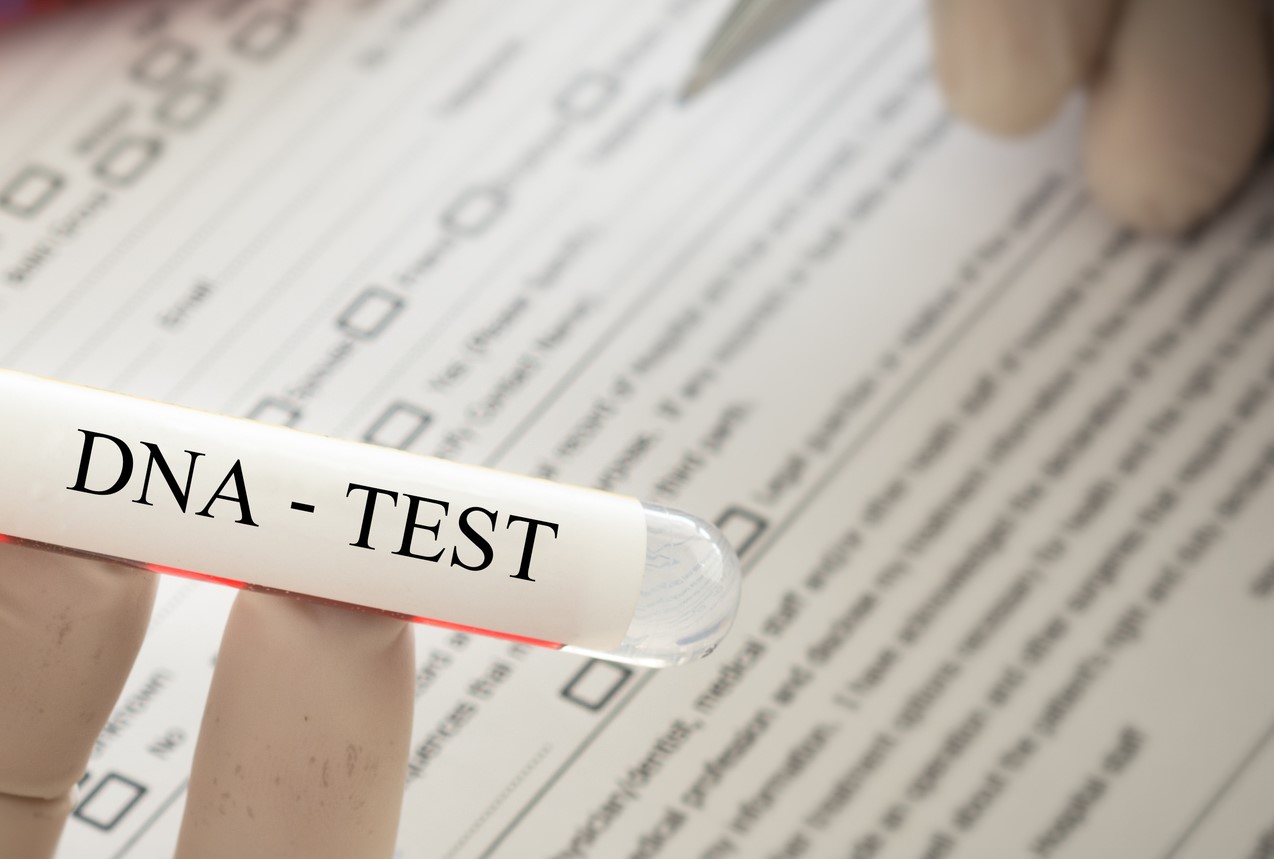
The doctors needed a detailed family medical history. My son’s wife, bless her heart, was meticulously organized. She pulled out old files, medical records, even some childhood photos. Anything that might help them. I sat beside her, offering what I could remember, a stray detail about an allergy, a childhood illness. The doctors also wanted to test his blood, not just for his current condition, but for a full genetic profile, to rule out underlying hereditary factors for recurring pancreatitis. Standard procedure, they said.
A week later, he was recovering, weak but smiling. We were back at the house, a fragile peace settling over us. The mail arrived. Among the usual bills and junk mail was a thick envelope, official-looking, addressed to my son. It was from the hospital. His wife opened it, her brow furrowed slightly as she scanned the pages. She passed it to me, saying, “Just the discharge instructions, and… the genetic results.”

For illustration purposes only | Source: Getty Images
I took the pages, eager for good news. My eyes scanned the reports. His blood type: O negative. His genetic markers, a complex sequence of letters and numbers. And then, a small summary box, clearly marked: “Maternal line markers: Not present. Paternal line markers: Not present.”
What?
I read it again. And again. My heart began to pound, a frantic drum in my chest. “Maternal line markers: Not present. Paternal line markers: Not present.”
I looked at my son’s wife. Her eyes, usually so bright, were suddenly clouded, shadowed. She wouldn’t meet my gaze. She just slowly shook her head, a single tear tracing a path down her cheek.

For illustration purposes only | Source: Pexels
“What is this?” I whispered, the words catching in my throat. My own blood type was A positive, his father’s had been B positive. Any combination of those would have produced A, B, or AB, or O, but some genetic markers, some connection, would have been there. It should have been there.
Her voice was barely audible. “He’s… he’s not your biological son.”
The air left my lungs in a rush. I couldn’t breathe. My son. My beautiful, kind, patient son. The boy I raised from infancy, the man who brought me into his home, who taught me about harmony, about respect. He wasn’t mine.
A wave of nausea washed over me. Decades. Decades of believing, of loving, of knowing. And all of it, a lie. Not his lie, no, never his. But someone’s. A secret so profound, so earth-shattering, it had defined my entire life.

For illustration purposes only | Source: Pexels
“His parents… they were killed in a car accident,” she finally choked out, her voice breaking. “Your sister… she swapped the babies at the hospital. Her own child had died, a stillbirth. She was… she was desperate. She never told anyone. Just you. She gave you her child to raise, and kept yours, the one who didn’t survive, for herself, for appearances. She told me the truth a few years ago, when she was sick. She begged me to keep it secret. She loved you so much, she couldn’t bear to hurt you, after all this time.”
My sister. My sweet, quiet sister. The one I thought I knew better than anyone. She stole my son. And gave me another. A beautiful, wonderful child, yes, but not the one I had birthed. Not the one who shared my blood, my heritage.

For illustration purposes only | Source: Pexels
The harmony I had found. The respect I had learned. It all shattered. It wasn’t a lesson in beauty, but a testament to a monstrous deception. Every kind gesture, every shared laugh, every moment of peace, now felt like a cruel joke. I looked at the report again, at his name, at the blank spaces where my genetic code should have been. I looked at my daughter-in-law, her face a mask of sorrow. She knew. She had known this whole time. And my son? Did he know?
The house felt cold, suddenly. Empty. My entire life was a lie. And the man I called my son, the one who had opened his home and heart to me, was a stranger. A beautiful, beloved stranger. And I, a stranger to myself. The harmony was gone, replaced by a deafening, echoing scream of betrayal.
