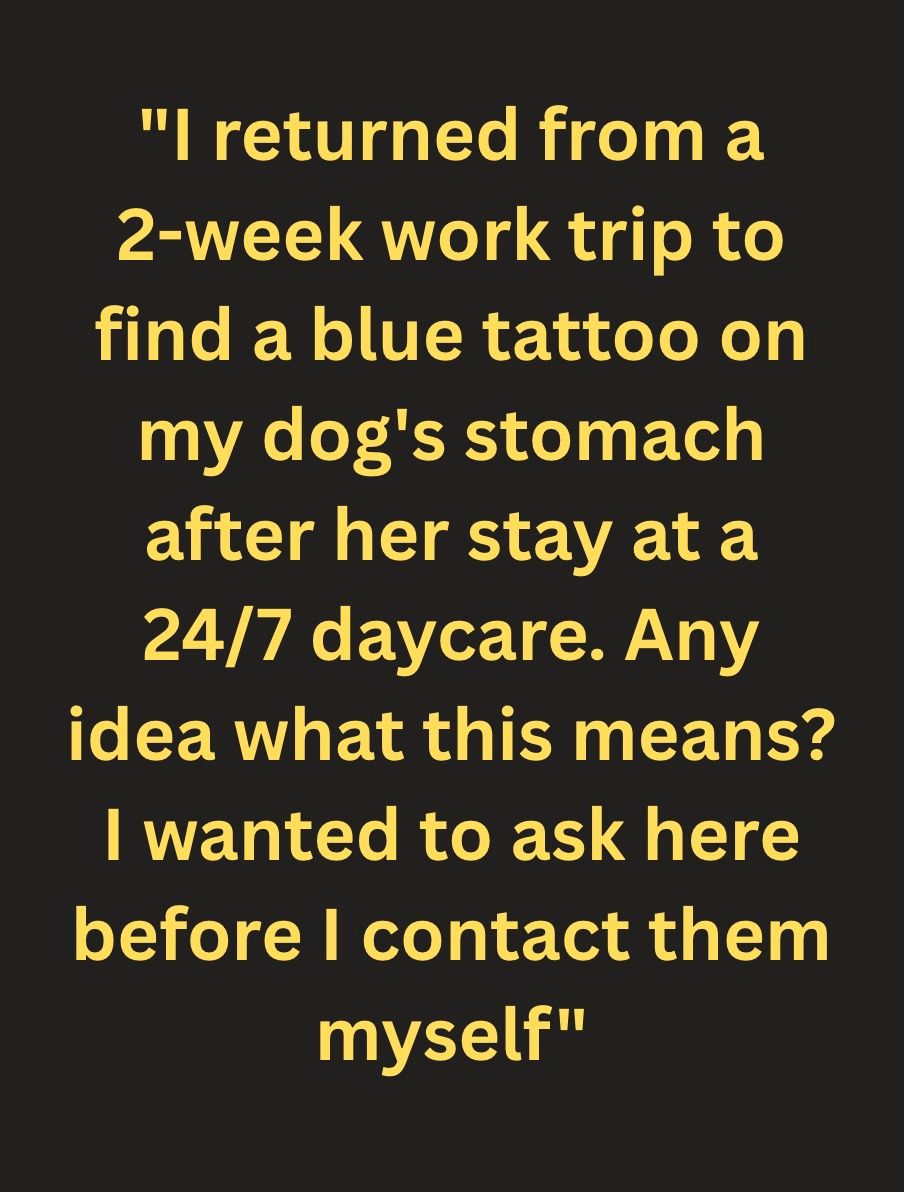
 If you’ve ever discovered a mysterious blue tattoo on your dog’s stomach, you’re not alone. This tiny mark has caused panic among pet owners worldwide, with many fearing the worst when they first spot it. But what does this blue line actually mean, and why is it there?What That Blue Tattoo Really Means That small blue line tattooed on your dog’s belly is actually a veterinary identification mark indicating that your pet has been spayed or neutered. This practice, known as a “sterilization tattoo” or “spay/neuter tattoo,” is standard procedure in many veterinary clinics and animal shelters.

A man in a linen shirt | Source: Midjourney
The tattoo serves as a permanent record that prevents unnecessary surgery. Without it, veterinarians examining an animal might not immediately know if the pet has already been sterilized, potentially leading to exploratory surgery to determine the animal’s reproductive status.Why Veterinarians Use These Tattoos Veterinary professionals have been using identification tattoos for decades for several critical reasons:Prevents Unnecessary Surgery: The primary purpose is to avoid putting animals through unnecessary procedures. Opening up an animal to check if they’ve been spayed or neutered is traumatic and expensive.
Universal Recognition: Most veterinarians recognize these tattoos immediately, making it a reliable form of identification across different practices and locations.
Permanent Record: Unlike collars or tags that can be lost, tattoos provide permanent identification that travels with the animal.Shelter Standard: Many animal shelters, rescue organizations, and low-cost spay/neuter clinics routinely tattoo all animals they sterilize.Different Types of Veterinary TattoosWhile blue lines are most common, veterinary tattoos can vary:

Ribs on a grill | Source: Midjourney
Blue or green lines: Most common for spay/neuter identificationLetters or numbers: Some facilities use codes like “S” for spayed or “N” for neuteredDots or small symbols: Alternative marking systems used by some veterinariansLocation variations: Tattoos may appear on the belly, inner thigh, or ear The Boarding Facility MysteryIf you discovered a tattoo after your dog stayed at a boarding facility, several scenarios are possible:Emergency Surgery: If your dog had a medical emergency requiring surgery, the attending veterinarian may have discovered your pet was already spayed/neutered and added the tattoo as standard practice.
Routine Procedure: Some boarding facilities work with veterinary clinics and may have arranged for routine care that included confirming your pet’s sterilization status.Pre-existing Tattoo: The tattoo might have been there before, but you never noticed it. These marks are often small and easily missed, especially on dogs with thick fur.When to Be ConcernedWhile most veterinary tattoos are legitimate, you should contact the facility immediately if:

A smiling woman standing in a backyard | Source: Midjourney
You weren’t informed about any medical proceduresThe tattoo appears fresh with signs of recent healingYou have no record of your pet being spayed or neutered
The facility cannot provide clear documentation of why the tattoo was applied
What Pet Owners Should KnowAsk Questions: Always ask your veterinarian about any markings they plan to make on your pet during procedures.Keep Records: Maintain documentation of all veterinary procedures, including sterilization records.
Check Contracts: Review boarding and daycare agreements to understand what procedures they’re authorized to perform.Regular Examination: Familiarize yourself with your pet’s body so you’ll notice any new marks or changes.The Bottom LineThat blue tattoo on your dog’s belly is most likely a standard veterinary identification mark indicating your pet has been spayed or neutered. While discovering an unexpected tattoo can be alarming, these marks are generally a positive sign that your pet has received proper medical care.

A smiling woman in a white linen dress | Source: Midjourney
However, if you’re unsure about the tattoo’s origin or weren’t informed about any procedures, don’t hesitate to contact the facility where your pet stayed. You have every right to know what happened to your beloved companion while in their care.
Remember, responsible pet ownership includes staying informed about all aspects of your pet’s health and medical history. That little blue line might just be the mark of a caring veterinarian looking out for your furry friend’s wellbeing.
