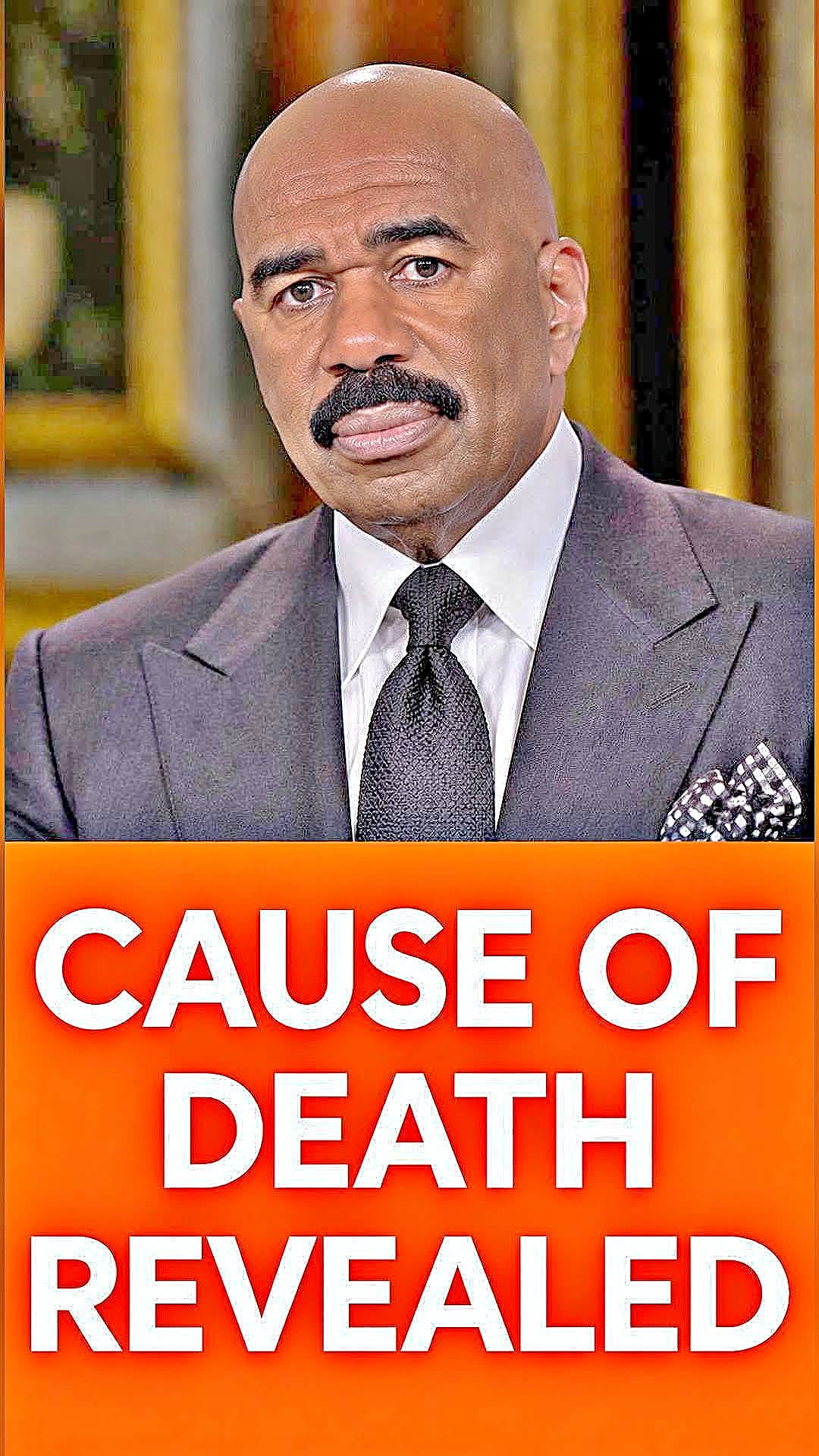
Breaking Down the Fake Steve Harvey Scandal: Fake CNN Pages, Fabricated Oprah Quotes, Paid Facebook Ads, and a Phony CBD Endorsement
In early May 2024, a sensational rumor began circulating widely across Facebook and other social media platforms.
The allegation was straightforward—and shocking.
Steve Harvey had supposedly been fired from Family Feud.
Some versions claimed the television personality was removed from the show after making inappropriate remarks during an on-air conversation.
Others suggested a major dispute had erupted behind the scenes.
But there was one major problem with the entire story.
It was completely fabricated.
The Advertisements Were Built to Resemble Breaking News
At first glance, the advertisements looked remarkably believable.
They used familiar photographs of Steve Harvey.
Some versions also featured Oprah Winfrey.
The headlines were written to suggest that Harvey’s television career had suddenly fallen apart.
One advertisement claimed he had been “abruptly fired” from Family Feud.
Another hinted that an embarrassing on-air mistake had caused tensions to explode.
None of those claims were true.
A Fake CNN Story Made the Scam Look Even More Convincing
The deception became more sophisticated when readers clicked the advertisements.
They could be redirected to a webpage designed to look like a genuine CNN article.
The page copied the kind of formatting, photographs, headlines, and overall appearance people associate with a major news organization.
But it was not a CNN publication.
The page appeared on an unrelated domain, pastadibern.pro.
That distinction was crucial.
The Fake Article Invented a Shocking Confession
The fabricated article claimed Steve Harvey had lost his position on Family Feud after supposedly revealing private information during an interview with Oprah Winfrey.
According to the story, Harvey allegedly discussed erectile dysfunction and claimed that Canna Labs CBD Gummies had solved the problem.
The supposed confession never happened.
Neither did the controversy surrounding it.
There Was No Genuine Interview With Oprah
The conversation described on the website was entirely fictional.
Harvey did not make the alleged confession to Oprah Winfrey.
Winfrey did not conduct the interview described in the article.
The quotations and dialogue were created to give the page the appearance of a real television exchange.
The entire scenario existed only within the fraudulent advertisement.
Steve Harvey Never Endorsed the CBD Product
The supposed firing was merely the attention-grabbing hook.
The real objective was to promote the CBD product.
By portraying Harvey as someone who had personally benefited from the gummies, the scammers attempted to transfer his public credibility to the product.
The celebrity story was designed to make readers trust the sales pitch.
The Scheme Used a Familiar Fraud Formula
Celebrity endorsement scams often follow a predictable pattern.
First, a dramatic story is created around a recognizable public figure.
The celebrity might supposedly lose a job.
They might reveal a shocking secret.
They might allegedly be punished for exposing a product.
Or they may supposedly discover a miraculous solution to a health problem.
The story is then used to move readers toward a commercial offer.
A Fake News Website Adds an Appearance of Legitimacy
After creating the celebrity story, scammers often build a webpage that imitates a respected news outlet.
They can copy fonts and colors.
They can reproduce logos.
They can mimic familiar page layouts.
They can add fabricated quotations, comments, and screenshots.
The objective is to make the visitor forget they are looking at an advertisement.
Instead, the visitor is encouraged to believe they have discovered a legitimate news report.
Eventually, the Product Becomes the Focus
Once readers are emotionally invested in the celebrity story, the article begins shifting toward a sales pitch.
A supplement appears.
A CBD product is introduced.
A weight-loss formula may be mentioned.
The celebrity supposedly explains how dramatically the product changed their life.
In these scams, that endorsement is usually completely fictional.
Canna Labs CBD Gummies Were the Product Being Promoted
In this particular version of the scheme, the product was Canna Labs CBD Gummies.
The fabricated article claimed Harvey had personally used the product.
It further suggested that he credited the gummies with solving intimate health problems.
The scammers surrounded that supposed endorsement with controversy to make the story more compelling.
The more outrageous the scandal appeared, the more likely readers were to click.
Oprah’s Name Added Another Layer of Credibility
Including Oprah Winfrey made the fabricated story even more attention-grabbing.
She is one of the most recognizable figures in television and media.
Putting Harvey and Winfrey together in the same invented controversy made the story appear more significant.
It also gave the scammers another famous face to use as a credibility tool.
The Fake Dialogue Was Designed to Feel Like Real Television Drama
The fabricated article portrayed Winfrey as supposedly uncomfortable with Harvey’s discussion of his health.
That manufactured tension made the story seem emotionally believable.
Readers were encouraged to imagine that a private disagreement had unexpectedly become public.
But the supposed conversation had never happened.
The Alleged Firing Never Happened Either
Steve Harvey was not fired from Family Feud because of the fictional interview.
There was no legitimate scandal matching the advertisements.
The firing claim existed to capture attention and direct visitors toward the CBD promotion.
In other words, the fake controversy functioned as a sales funnel.
Similar Steve Harvey CBD Hoaxes Had Already Appeared
The supplied material notes that Snopes had identified fraudulent Steve Harvey CBD claims as far back as 2022.
The details can vary between different versions.
The underlying strategy remains remarkably similar.
A celebrity is inserted into the story.
A dramatic event is invented.
A health product is presented as the supposed explanation.
Other Famous Personalities Have Been Exploited in Similar Schemes
Steve Harvey is far from the only celebrity whose identity has been used this way.
Similar fraudulent promotions have reportedly featured names such as Oprah Winfrey, Mayim Bialik, Dr. Phil McGraw, and Tom Selleck.
The names may change, but the basic scam remains remarkably consistent.
Changing the Celebrity Keeps the Scheme Alive
That flexibility is one reason these operations can continue for so long.
If one celebrity story stops attracting clicks, the scammers can simply replace the celebrity.
The article template can remain almost identical.
The product can stay the same.
The emotional language can remain unchanged.
Only the famous face and supposed scandal need to be switched.
Fraudulent Domains Can Disappear Almost Overnight
Many of these websites are short-lived.
Some may use anonymous registration information.
When a domain is reported or blocked, it can vanish.
But another nearly identical website may appear soon afterward.
This constant replacement makes the scams difficult to eliminate completely.
Paid Facebook Advertising Can Give the Scam Massive Exposure
These stories do not necessarily depend on users discovering them naturally.
Fraudsters can pay to put the advertisements directly into social media feeds.
They can target people who are more likely to recognize the celebrity being featured.
For example, someone who regularly watches Family Feud may be much more likely to stop scrolling when Steve Harvey appears beside a dramatic headline.
Familiar Faces Can Make People Less Suspicious
Celebrity scams exploit recognition.
People already know the person in the photograph.
That familiarity can create an unconscious feeling of trust.
If the page also resembles CNN or another established news outlet, the deception becomes even more convincing.
A reader may click before taking a close look at the source.
The Headline Is Designed to Trigger Emotion First
Words such as:
“Fired.”
“Shocking confession.”
“We’re sad to say goodbye.”
“Silenced.”
are deliberately chosen to provoke an immediate emotional response.
The reader becomes curious, surprised, or concerned before stopping to investigate whether the claim is legitimate.
The Click Is Where the Sales Funnel Begins
After the reader enters the article, the dramatic story keeps them engaged.
Then the product is presented as the hidden explanation behind the controversy.
The celebrity supposedly discovered something powerful.
Powerful companies supposedly want to keep it secret.
The celebrity was supposedly punished for revealing it.
That narrative makes the product appear exclusive and important.
Fake Customer Stories Can Make the Pitch Look More Authentic
Fraudulent sales pages may also include supposed customer testimonials.
They can show fabricated before-and-after photographs.
They may make unsupported medical claims.
They may even falsely suggest that doctors or other celebrities recommend the product.
Each added detail is intended to make the visitor less likely to question the story.
Urgency Often Appears Near the Purchase Section
Once the visitor reaches the sales portion of the page, another tactic often appears.
The website may claim that only a few bottles remain.
A countdown clock may appear.
The offer may supposedly expire within hours.
Some pages even claim the product could soon be banned.
The purpose is simple: discourage the visitor from pausing to investigate.
“Free Trials” Can Create Additional Problems
Some fraudulent offers promote a supposedly free or deeply discounted first shipment.
A customer enters payment information expecting only a small initial charge.
Later, recurring charges may appear.
In other cases, the product may never arrive at all.
The financial consequences can therefore continue long after the original fake article disappears.
The Strange Domain Is One of the Biggest Red Flags
The fake Steve Harvey article was designed to resemble CNN.
But the webpage was not located on a CNN domain.
That is an important warning sign.
Anyone can imitate the appearance of a legitimate news organization.
An unrelated domain, however, does not become legitimate simply because its webpage looks authentic.
Always Inspect the Actual URL
If an article claims to come from CNN, its web address should correspond to CNN’s legitimate domain.
The same principle applies to ABC News and other established organizations.
Unfamiliar extensions, random words, unusual strings of characters, or unrelated domain names should immediately create doubt.
A webpage’s appearance is easy to copy.
Its legitimate web identity is much harder to fake.
A Familiar Logo Does Not Prove the Story Is Real
Scammers can download a news organization’s logo almost instantly.
They can duplicate colors.
They can recreate navigation menus.
They can imitate headline formatting.
They can even reproduce the overall structure of an actual news website.
A familiar logo at the top of a page is therefore not proof that the organization published the story.
Searching the Headline Separately Can Reveal the Deception
Consider how significant the alleged story would be if it were genuine.
If a major television personality had actually been fired from a program as recognizable as Family Feud, reputable entertainment and news organizations would almost certainly report it.
If the only evidence comes from strange websites and sponsored social media advertisements, that should be treated as a major warning sign.
Important news generally does not exist exclusively on one obscure domain.
Official Celebrity Accounts Can Provide Another Check
Verified social media accounts can sometimes help establish whether an endorsement is legitimate.
The supplied material notes that Harvey has previously warned followers about fraudulent advertisements using his identity.
It also says he has denied promoting CBD gummies and similar products.
That directly conflicts with the fabricated endorsement used in this scam.
Health-Related Celebrity Claims Require Extra Caution
Fraudulent celebrity advertisements frequently involve health products.
They may promise dramatic weight loss.
They may claim to improve sexual health.
They may advertise pain relief.
They may make promises about memory, diabetes, or other medical conditions.
These are precisely the kinds of claims that deserve careful verification.
Extraordinary Medical Claims Should Always Be Questioned
A product advertised as a miracle solution should already raise concerns.
Adding a celebrity’s photograph does not make the medical claim credible.
A television personality’s alleged endorsement is not medical evidence.
And if the endorsement itself is fabricated, the entire marketing pitch falls apart.
Oprah Winfrey’s Name Has Also Been Used in Fake Promotions
The supplied material notes that Winfrey’s name and likeness have repeatedly been exploited in fraudulent advertisements.
Her identity has been connected to supposed promotions involving diet products, skincare, CBD oils, and other products.
Her enormous public profile makes her an attractive target for impersonation.
Other Television Personalities Face the Same Problem
People who appear regularly on television can develop a sense of familiarity with viewers.
Scammers understand how powerful that familiarity can be.
A famous host may seem more trustworthy than an unknown salesperson.
That perceived trust is exactly what fraudulent marketers attempt to exploit.
The Steve Harvey “Scandal” Was Actually a Sales Advertisement
That is the central point behind the entire scheme.
The fake firing story was not created simply to spread celebrity gossip.
It was constructed to sell a product.
The supposed scandal was the bait.
The CBD gummies were the merchandise.
The fake news page was the disguise.
Misinformation Can Have a Financial Motive
Not every false story exists solely to deceive people.
Some are designed to make money.
The fake story attracts attention.
The imitation news page builds credibility.
The credibility encourages a purchase.
The deception is therefore part of the sales process itself.
Social Media Can Accelerate the Entire Scheme
A fraudulent website might receive little attention on its own.
A paid advertisement can put that same website directly in front of thousands of users.
If the headline is emotional enough, people may share it with friends and family.
The scam can then gain additional exposure beyond the original paid advertisement.
People Can Spread the Rumor Without Ever Buying the Product
That creates another problem.
Someone may see the headline, become shocked, and share it without reading the article.
Others may repeat the claim in comments or videos.
Eventually, the statement that Steve Harvey was fired can begin circulating independently of the original scam.
The misinformation can then take on a life of its own.
The Rumor Can Continue Even After the Website Disappears
A scam domain can be removed while screenshots remain online.
Facebook posts can remain.
Videos can be reposted.
People may continue asking whether the rumor is true months later.
Deleting the original website does not automatically erase the false information it created.
Verification Should Come Before Sharing
A few moments of checking can prevent a false claim from spreading.
Look closely at the domain.
Search the allegation independently.
Check reputable news organizations.
Look for statements from the person supposedly involved.
Never assume that a convincing-looking page is automatically authentic.
Sponsored Posts Deserve Particular Caution
An advertisement appearing in your social media feed is not automatically verified information.
Some advertisements are deliberately designed to look like editorial content.
When a shocking celebrity story immediately leads to a health-product offer, that should be a significant warning sign.
Never Let a Countdown Force a Purchase
Urgency is a classic sales tactic.
Fraudulent websites often use it aggressively.
They want visitors to believe they have no time to investigate.
But legitimate purchasing decisions rarely require someone to ignore basic verification.
Protect Your Personal and Financial Information
Entering payment details on an unfamiliar website can create risks beyond the price of the product.
Your billing information could be exposed.
You could accidentally agree to recurring payments.
Your contact details could later be used for additional marketing or fraudulent schemes.
The safest point to stop is before providing sensitive information.
The Real Story Was Far Less Dramatic
There was no shocking Oprah Winfrey interview behind the viral advertisements.
There was no authentic CNN article reporting the alleged scandal.
There was no legitimate Canna Labs CBD Gummies endorsement from Steve Harvey.
And the supposed firing described by the advertisements was fictional.
The Rumor Worked Because It Combined Several Attention-Grabbing Elements
The scammers brought together:
A famous celebrity.
A popular television program.
A recognizable news organization.
A supposedly private health confession.
Oprah Winfrey.
A sudden firing.
And a product allegedly responsible for the entire controversy.
Each element was designed to increase curiosity.
The Most Important Clues Were Actually in Plain Sight
The website was not CNN.
The celebrity had not endorsed the product.
The interview never happened.
The scandal did not exist.
Once those elements are stripped away, the supposed news story becomes what it really was: a product advertisement built around a fictional narrative.
Professional-Looking Design Is Not Proof
Modern scam websites can look extremely polished.
They can copy recognizable news layouts.
They can use high-resolution photographs.
They can create realistic-looking comments and quotations.
They can make an advertisement appear almost indistinguishable from editorial content.
That is why visual appearance alone can no longer be trusted.
The URL Often Reveals More Than the Design
A suspicious domain can expose what a copied logo attempts to conceal.
Before believing a sensational story, check the website where it is actually hosted.
That simple habit can protect people from both misinformation and financial fraud.
The Real Target Was Trust
The scammers were not really selling Steve Harvey news.
They were exploiting trust.
Trust in Steve Harvey.
Trust in Oprah Winfrey.
Trust in the appearance of CNN.
Trust in social media advertising.
Each borrowed layer of credibility helped make the sales pitch more convincing.
The Bottom Line
The viral claim that Steve Harvey was fired from Family Feud after a shocking conversation with Oprah Winfrey was false.
The supposed CNN article was not a legitimate CNN report.
The interview was fabricated.
The CBD endorsement was fabricated.
The controversy was invented to promote a product.
The scam succeeded because it looked familiar before it looked suspicious.
That is why the safest response to a sensational celebrity headline is not immediate outrage, excitement, or curiosity.
It is verification.
Check the source.
Examine the domain.
Search for independent reporting.
Look for statements from the person supposedly involved.
And never assume that a celebrity photograph beside a health product means that celebrity actually endorsed it.