
She was always there, a shadow in her window, a presence at the edge of our perfectly manicured lawn. Our neighbor. I won’t give her a name, because in my memory, she’s just… the neighbor. A woman of quiet, simmering animosity, a constant low hum of disapproval directed at anyone who dared to live a life less rigid than her own. Her garden was immaculate, her house pristine, her judgment palpable. We tried, at first. Baked cookies. Offered to help with heavy groceries. But every overture was met with a tight smile that didn’t reach her eyes, and a curt refusal. We learned to keep our distance.
Our driveway was narrow, just enough for two cars side-by-side. Sometimes, when friends were over, or if we were juggling projects, a car might spill over onto the edge of the shared access road, or slightly into a space that felt public but was technically part of a private easement. We’d never thought much of it. Everyone else on the street did it. It was a minor inconvenience at worst, a blind spot in the casual rules of our little community. That was our mistake, I see now. A fundamental, naive mistake.
One Tuesday morning, I woke up, stretched, and glanced out the window as I always did. The spot where my car had been parked was empty. My heart gave a little lurch. Did I forget where I parked? No, impossible. I rushed to the window, then to the front door, my partner close behind me, roused by my sudden movement. His car was gone too.

A man lying on the couch and using a digital tablet | Source: Freepik
Panic. A cold, creeping dread. My partner went white. “WHAT THE HELL?” he yelled, running outside. Both cars. Vanished. This wasn’t a theft; it felt… different. Too clean. Too precise.
We called the police. They checked for reports of stolen vehicles. Nothing. Then, almost as an afterthought, the officer mentioned, “Did you check with any local towing companies? Sometimes people call them directly for parking violations on private property.”
Private property? Our cars were parked where they always were. A tiny, almost imperceptible shift of anger started to brew in my gut. A suspicion. It had to be her.
My partner called every towing company in a five-mile radius. On the fourth call, he found them. Our cars. Impounded. For “blocking private access” and “parking on private property without permission.” The fee to get them out was exorbitant, a gut punch to our carefully balanced budget. And when my partner asked who had called for the tow, the voice on the other end hesitated, then quietly confirmed: the neighbor.

A shaken woman | Source: Midjourney
Rage. Pure, unadulterated rage. It wasn’t just the money, though that stung deeply. It was the maliciousness of it, the petty cruelty. She hadn’t left a note, hadn’t knocked on our door, hadn’t even bothered to ask us to move them. She just called, anonymously, under the cover of night. She wanted us to suffer. She wanted us to wake up to that gut-wrenching emptiness. And she got her wish.
My partner was incandescent. He’d always been a placid man, but this… this flipped a switch. “This isn’t just about the cars,” he seethed, pacing our empty driveway. “This is about her. This is about her constant harassment, her trying to control every inch of this neighborhood.”
I agreed. We were tired of walking on eggshells around her, tired of her passive-aggressive glares. This was a line she had crossed. We decided, then and there, that we wouldn’t just pay the tow fees and move on. We would make her pay.
A woman using her phone | Source: Pexels
We researched. Hours spent online, calls to lawyers, consultations with housing associations. We found a clause. A rarely enforced but legally solid clause about malicious property interference leading to financial damages and emotional distress. The towing, we argued, was not just about the parking spot; it was an act of aggression, a deliberate attempt to cause harm. The lawyer, a sharp, older woman, listened patiently to our story. Her eyes lit up. “This isn’t just small claims,” she said, a glint in her eye. “This is a pattern. And with the right approach, you could make a very strong case for substantial damages.”
My partner was all in. He pushed for the maximum. He wanted to hit her where it hurt, to make her feel the same financial strain, the same disruption she’d inflicted on us. He talked about her property value, her assets. He was almost gleeful, I now realize, in a way that should have made me pause. But I was still consumed by my own anger, fueled by the injustice of it all. We were going to demand $25,000. Not just for the towing fees, but for the lost wages, the inconvenience, the sheer psychological distress of waking up to find our livelihood gone. It felt just. It felt deserved.

A close-up shot of a doctor | Source: Pexels
The legal process was long, drawn out, and incredibly stressful. There were depositions, arguments, attempts at mediation that failed spectacularly because neither side was willing to budge. The neighbor, when she finally had to face us, looked shrunken, gaunt. Her usual steely glare was replaced by something hollow, almost desperate. I briefly wondered if we were going too far, if the amount was truly necessary, but then I remembered the panic, the fear, the expense. I shut down that flicker of doubt. She deserved it.
Finally, after months of back and forth, the verdict came in. We won. The court ruled in our favor, awarding us the full $25,000 judgment against her. It was a vindication. A roar of triumph inside my head. My partner hugged me tight, a wide, relieved smile on his face. “She finally got what was coming to her,” he whispered, his voice thick with emotion.
The next step was serving the papers, officially notifying her of the judgment and the impending lien on her property if she didn’t pay. We didn’t do it personally. We wanted to, initially, to see the look on her face, but our lawyer advised against it. A process server would handle it.

Two siblings standing together | Source: Pexels
A few days later, I was watering the plants on our porch when I saw an ambulance pull up to her house. Not unusual in our aging neighborhood, but it made me pause. Then, I saw the process server’s car, parked discreetly down the street. He must have just left.
Suddenly, her front door burst open. Not her, but him. My partner. He came rushing out, looking utterly distraught, his face pale, his hands shaking. He looked from the ambulance to me, then back to her house. His eyes were wide with a terror I’d never seen before.
“What’s wrong?” I asked, dropping the watering can and rushing towards him.
He grabbed my arm, his grip almost painful. He pulled me close, his voice a choked whisper. “She… she had a heart attack. The stress… the papers…”
A woman counting her money | Source: Pexels
My initial flicker of sympathy was immediately replaced by a surge of guilt. Had we actually… killed her?
Then, he dropped the bombshell. His voice was barely audible, raw with something I couldn’t quite decipher—grief? Regret? A chilling kind of victory?
“She never told you. She never told anyone.” He looked at me, his eyes full of a pain that cut deeper than any anger. “That old woman. The neighbor… she’s my mother. My actual mother.”
My world spun. The air left my lungs.
He looked away, towards the ambulance, towards the house where his mother lay dying, or perhaps already gone.
“We had a fight years ago,” he choked out, his voice cracking. “A terrible one. About money. About her house. I haven’t spoken to her since. She lived here all this time, right next door, and I never told you.” He paused, then whispered, almost to himself, a horrifying confession. “I told her if she ever needed anything, if she ever came to me, I’d take her house. And she was struggling. The towing… it was stupid, desperate. Probably just trying to get my attention, or get me to react. And I… I used it. I used you. I finally took her house, just like I said I would.”
A window at night | Source: Pexels
The $25,000 wasn’t just a consequence. It was the down payment for a forced sale. It was the value of her last possession. It was the culmination of his years of bitter resentment, weaponized by my own righteous anger.
I stood there, frozen, the sun beating down, the siren wailing softly in the distance. The woman I had vilified, the target of my anger, the recipient of our vengeful victory… was his mother. And I had helped him destroy her.
Every single moment of our shared outrage, every phone call, every legal document, every justified argument… was a lie. A lie he had orchestrated, a weapon he had forged using my very real, very human emotions. The triumph in my heart curdled into a bitter, suffocating horror. He didn’t just let me hate her; he encouraged it, fanned the flames, guiding me to unwittingly participate in his long-game betrayal.
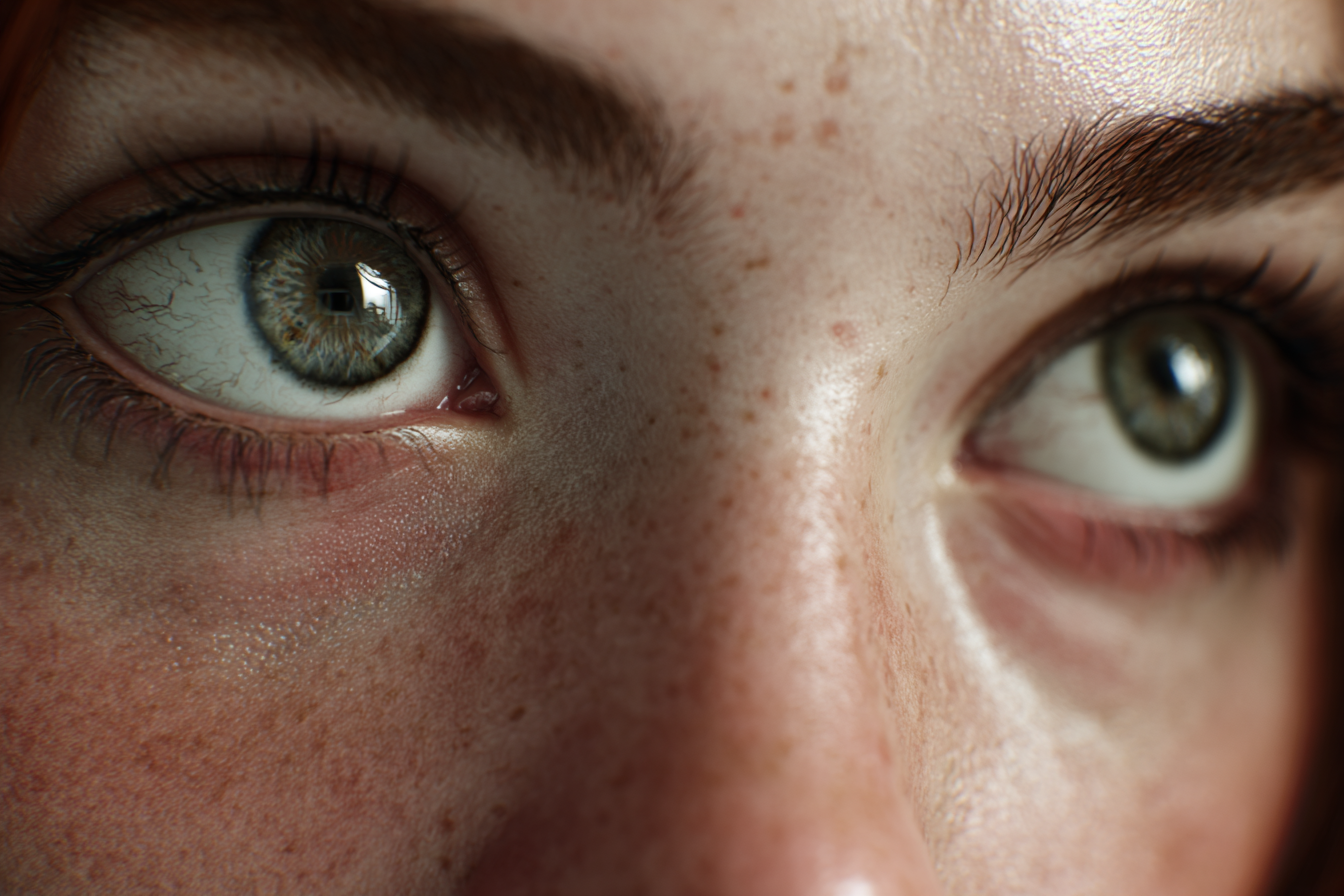
A close-up shot of a woman’s eyes | Source: Midjourney
The ambulance drove away, lights flashing but no siren. And I knew, with a horrifying certainty, that the real consequence was waiting for me. Not for her. For me. For what I had become, for what I had helped to do. And I had no idea how to live with it.