My world used to be a muted photograph, drained of all color. I existed, but I didn’t live. Each day was a performance of normalcy, a charade I played for an audience of one: myself. I was a wife, a mother, and a shadow. The woman I once was, vibrant and full of dreams, had been carefully, meticulously, extinguished.It wasn’t a sudden explosion of cruelty that trapped me. It was a slow, insidious erosion. A thousand tiny cuts. He never raised his voice, not truly. He didn’t hit me. His weapon was far more sophisticated: dismissal, critique veiled as concern, silence. “You’re being too sensitive,” he’d say, a casual flick of a hand dismissing my pain. “Why can’t you just let things go?” he’d sigh, making me feel like an inconvenience, a burden on his perfectly ordered life. He chipped away at my confidence, piece by agonizing piece, until I believed I was, indeed, too sensitive, too much, not enough. I learned to minimize myself, to make myself smaller, quieter, invisible. Perhaps if I just disappear, the pain will too.
My only lifeline, my only source of true light, was my son. He was a quiet child, observant, with eyes that saw far more than I gave him credit for. He would often just watch me, a silent, knowing gaze that sometimes felt like a spotlight on my carefully constructed numbness. I stayed, of course. I told myself it was for him. For his stability. For his father. For the illusion of a whole family. But deep down, I knew it was also for me, because the thought of dismantling my life, of facing the terrifying unknown, was paralyzing.
The argument that night was like all the others. A mundane disagreement over finances, escalated into an assessment of my worth. “You really have no head for practical matters, do you?” he’d said, his voice level, calm, cutting me to the core. “It’s a wonder you manage anything at all.” I nodded, swallowed the lump in my throat, and retreated to the kitchen, pretending to clean. But the dam inside me had finally cracked. Tears, silent and hot, streamed down my face. I gripped the countertop, my knuckles white, desperately trying to quiet the raw, aching despair.

Attentive man | Source: Unsplash
It was then he found me. My son, barely seven years old, stood in the doorway, his small frame silhouetted against the dim hallway light. He didn’t say anything at first, just watched me, his big, brown eyes filled with an unbearable sadness. My heart fractured further. He shouldn’t have to see this. He shouldn’t have to know this. I quickly wiped my face, forcing a weak smile. “Everything’s fine, sweetheart,” I whispered, my voice thick with unshed tears.
He walked over to me, a tiny shadow of comfort. He reached up, his small hand brushing my wet cheek. Then, he leaned in, his breath a soft puff against my ear. His voice was barely audible, a fragile thread in the suffocating silence.
“Mommy,” he whispered. “Why do you look so sad when Daddy is around?”
The world stopped. The buzzing of the refrigerator, the distant hum of traffic, the frantic beating of my own heart – all faded. That whisper. That tiny, fragile voice. It was the thunderclap that broke the storm inside me. It wasn’t just a question; it was a pure, undeniable truth from the most innocent of observers. It was validation. It was permission. It was a mirror held up to my desolate soul, reflecting a truth I had stubbornly refused to see for myself.
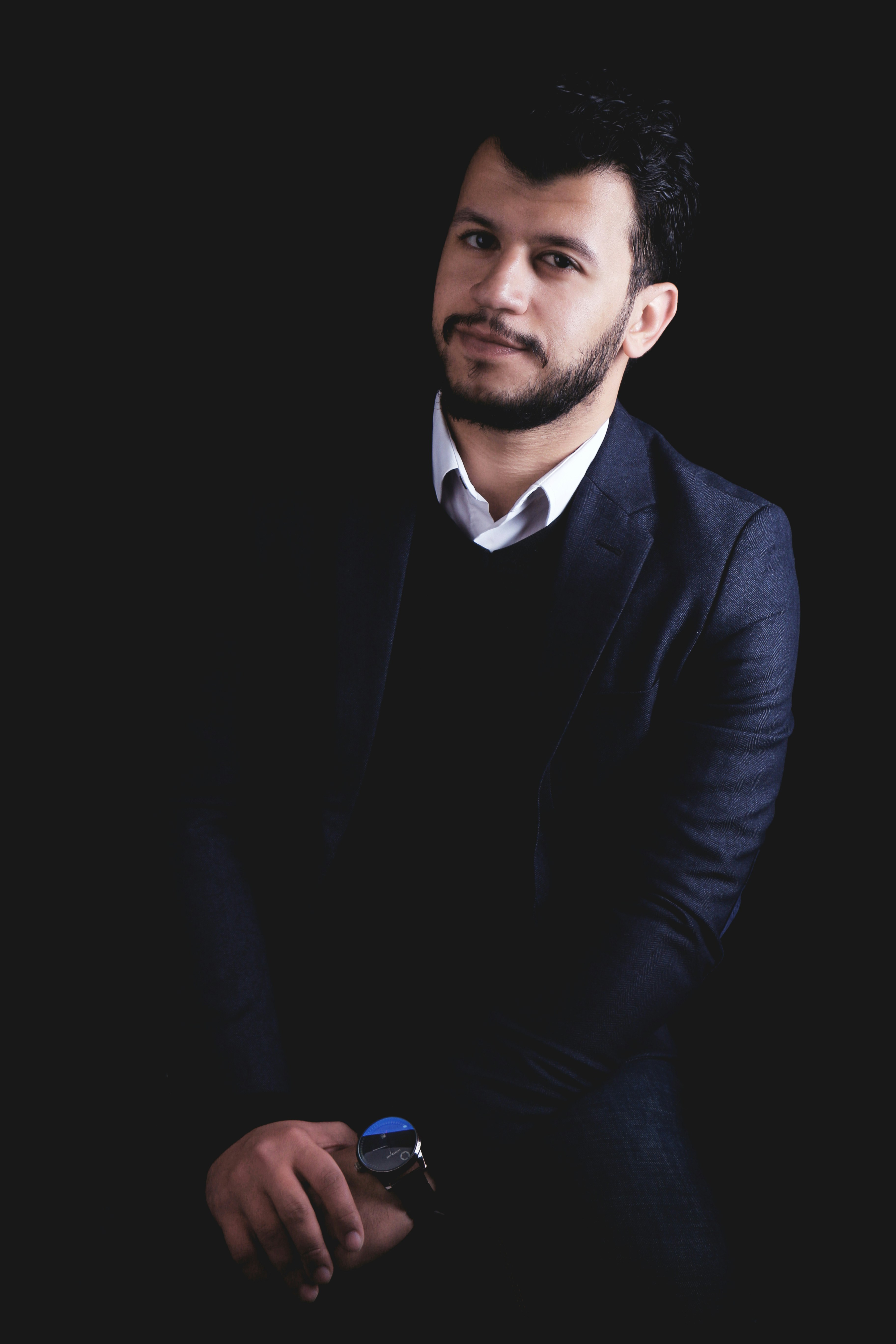
Man in a black suit | Source: Unsplash
In that instant, my entire narrative shattered. I wasn’t staying for him. I was dissolving. And my son, my precious boy, was seeing it. He was feeling it. I was teaching him that this was normal. I was teaching him to be invisible, just like me.
NO MORE.
That whisper became my rallying cry, my secret weapon. The next day, I started making calls. I searched for jobs, found a tiny apartment, began to save every spare penny. He noticed my change, of course. My new resolve, my straightened spine. He tried to dismiss it, to charm it away, to cut it down. But the whisper was a shield around my heart. He makes you sad. That one fact propelled me forward.
The journey was brutal. Leaving him was like tearing off my own skin. The emotional manipulation, the threats, the gaslighting—”You’re making a huge mistake. You’ll regret this. You can’t do this without me.” He fought for custody, twisting my desire for freedom into a narrative of my supposed instability. Every step was a battle. There were nights I cried myself to sleep, convinced I’d made the wrong choice, terrified I’d failed my son. But then I’d remember that whisper, and a fierce, primal strength would surge through me. I was doing this for us. I was fighting for our freedom.

Man looking down | Source: Unsplash
Slowly, painstakingly, we rebuilt. A small apartment filled with hand-me-down furniture, but bursting with laughter. My son started to bloom, shedding his quiet sadness, finding his voice. He made friends, excelled in school, his smile became genuine and bright. And me? I found a job, learned to stand on my own two feet, re-discovered forgotten passions. The color started to seep back into my world. I looked in the mirror and saw myself again, not the shadow, but the woman who had fought, who had broken free.
Years passed. My son grew into a kind, thoughtful teenager. Our bond was unbreakable, forged in the fires of that painful departure. I often looked at him, so full of life, and my heart swelled with gratitude. He was my hero. He had saved us both.
One quiet evening, we were curled on the couch, watching an old movie, a shared comfort. A soft rain tapped against the windowpane. I felt a surge of emotion, a wave of profound love and thankfulness.

A sad woman | Source: Midjourney
“You know,” I began, my voice soft, reflective, “I’ve never truly thanked you for that night, all those years ago. The night you whispered to me in the kitchen. You were so brave, my love. Your words… they changed everything. They gave me the courage to leave, to fight for a better life for us. You saved me, sweetheart. You truly did.”
He paused the movie, turning to look at me, his brow furrowed slightly in confusion. His eyes, those same deep, observant eyes, held a flicker of something I couldn’t quite place.
“Mom?” he said, his voice gentle. “I… I don’t remember saying that.”
My heart gave a lurch. Of course he remembers. How could he not? It was our defining moment. “Oh, you do,” I insisted, a smile trying to bridge the sudden gap that had opened between us. “You were so small, and you asked me why I looked so sad when Daddy was around. It was the clearest moment of my life.”

A vehicle on the road at night | Source: Unsplash
He shook his head slowly, a faint, melancholic smile playing on his lips. “No, Mom. I remember that night, but I didn’t say that.” He reached out, his hand taking mine, warm and reassuring. “What I actually whispered was, ‘Mommy… why do you look so sad when I’m here?’ I thought I was making you unhappy. I thought it was my fault.”
The air left my lungs in a silent gasp. The rain outside seemed to intensify, drumming a mournful rhythm. My carefully constructed reality, the foundation of my entire “journey to freedom,” shattered into a million painful shards around me.
He didn’t make me sad, I thought in a daze. He just observed my sadness. My deep, personal, inescapable sadness.
My son hadn’t rescued me from his father. He’d been worried about me. He’d been worried about himself, thinking he was the source of my misery.

Portrait of a sad man | Source: Midjourney
My “freedom” hadn’t been an act of courage ignited by his truth. It had been a desperate escape, fueled by my own brokenness, my own profound desire to leave, conveniently projected onto the innocent observations of a child. I had used his tender heart, his pure concern, to justify my own desperate flight. My journey to freedom hadn’t been a grand testament to his bravery, but a brutal confrontation with my own self-deception.
And for all these years, I had believed that beautiful, empowering lie.
The silence in the room was deafening. The movie on pause, a frozen moment in time. My son looked at me, a worried furrow in his brow. And for the first time, in all those years, I truly saw myself. I wasn’t just a survivor. I was a mother who, in her deepest pain, had almost broken the one person she loved most, by making him believe he was responsible for her unhappiness. My freedom had come at an unseen cost, and only now, in that quiet moment of truth, was the debt finally being called due.